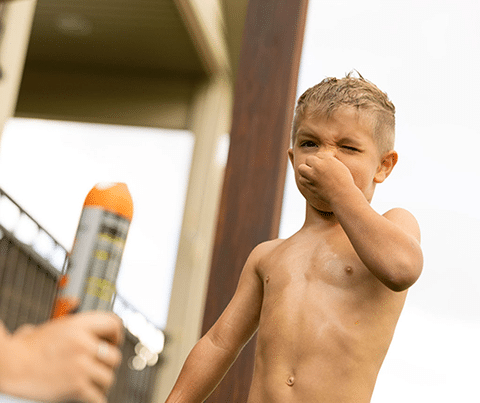

Few things ruin time outdoors faster than biting midges, also known as no-see-ums. These tiny insects may be difficult to spot, but their itchy, irritating bites can quickly make relaxing in your backyard uncomfortable. Throughout Utah, especially near ponds, wetlands, irrigated landscapes, and damp areas, biting midges become active during the warmer months.
Understanding where they live, when they are most active, and how to reduce their populations can help you enjoy your outdoor spaces again.
Quick Answer
Biting midges are tiny biting flies that thrive in damp areas throughout Utah. They are most active around dawn and dusk and leave itchy, irritating bites. The most effective way to reduce biting midge activity combines eliminating breeding sites, using personal protection, and professional outdoor treatments designed for Utah’s climate.
Table of Contents
- What Are Biting Midges?
- Why Biting Midges Are Common in Utah
- How to Control Biting Midges
- Frequently Asked Questions
What Are Biting Midges?
Biting midges, often called no-see-ums, are tiny blood-feeding flies that measure only 1 to 3 millimeters long. Their small size allows them to pass through many standard window screens, making them difficult to detect until you feel the bite.
Unlike mosquitoes, biting midges are rarely seen before they bite. Their bites often produce small red welts accompanied by intense itching or a burning sensation that may last several days.
How to Identify Biting Midges
Common characteristics include:
- Tiny size (1–3 mm)
- Gray or black coloring
- Small, mottled wings
- Painful, itchy bites
- Most active at dawn and dusk
- Prefer calm, humid conditions
Because they are such weak fliers, they often stay close to vegetation, shaded areas, and locations with little wind.
Why Are Biting Midges a Problem in Utah?
Utah’s climate creates ideal breeding conditions for biting midges. Areas near rivers, ponds, marshes, irrigation systems, and damp soil provide excellent habitats for their larvae.
Homeowners living near Utah Lake, the Great Salt Lake wetlands, the Jordan River, or other irrigated landscapes along the Wasatch Front often experience higher biting midge activity.
During spring and summer, snowmelt, irrigation, and seasonal rainfall increase moisture levels, allowing multiple generations of biting midges to develop throughout the season.
Without proper management, populations can increase quickly, making patios, decks, and backyards difficult to enjoy.
Understanding the Biting Midge Life Cycle
Like mosquitoes, biting midges develop through four life stages:
- Egg
- Larva
- Pupa
- Adult
The larvae develop in moist soil, muddy shorelines, decaying vegetation, and other organic material. Depending on temperature and moisture, the complete life cycle usually takes between two and six weeks.
Because new generations continue developing throughout the warmer months, simply killing adult midges rarely provides lasting relief.
Effective control focuses on reducing breeding areas while treating locations where adult midges rest.

Are Biting Midges Dangerous?
For most Utah residents, biting midges are primarily a nuisance pest rather than a serious health threat.
Although their bites can be extremely itchy, biting midges in Utah are not considered significant disease carriers for humans. However, repeated bites may cause:
- Severe itching
- Swelling
- Allergic skin reactions
- Scratching that can lead to secondary skin infections
Many homeowners find that persistent biting midge activity limits their ability to enjoy gardening, outdoor dining, backyard gatherings, or simply relaxing outside.
How to Control Biting Midges in Utah
Successful biting midge control requires multiple strategies working together. While no single method completely eliminates them, reducing breeding sites and treating areas where adults rest can significantly decrease biting activity.
1. Eliminate Breeding Areas
Moisture is essential for biting midge development.
Reducing standing water and damp organic material around your property helps limit future populations.
Focus on:
- Emptying bird baths regularly
- Draining containers that collect water
- Improving drainage in low areas
- Cleaning clogged gutters
- Removing leaf litter
- Clearing grass clippings
- Managing compost piles properly
- Repairing leaking irrigation systems
Keeping your landscape clean and dry wherever possible helps reduce suitable breeding habitats.
2. Protect Yourself Outdoors
Personal protection can reduce bites when spending time outside during peak activity periods.
Helpful measures include:
- Apply EPA-registered insect repellents containing DEET or picaridin.
- Wear long sleeves and long pants during early morning and evening.
- Choose light-colored clothing when possible.
- Use outdoor fans on patios or decks since biting midges are weak fliers.
- Limit outdoor activities near wetlands or standing water around dawn and dusk.
These simple precautions provide an additional layer of protection while professional treatments work to reduce overall populations.
3. Understand the Limits of DIY Solutions
Many homeowners try DIY methods before calling a professional, but these solutions often provide only temporary relief.
Common options include:
- Citronella candles
- Essential oils
- Bug zappers
- Store-bought yard sprays
- Homemade traps
While some repellents may temporarily discourage biting midges, they generally do not provide lasting control across an entire property.
Bug zappers are also largely ineffective because biting midges are not strongly attracted to ultraviolet light.
When biting midge populations become established, professional treatment is typically the most reliable way to reduce activity throughout your yard.

When Should You Call a Professional?
If biting midges continue disrupting your outdoor activities despite preventative efforts, professional treatment can provide more consistent, longer-lasting results.
Professional technicians understand where biting midges hide during the day and how to target those resting areas using specialized equipment and products not available to most homeowners.
Because Utah’s environment varies from wetlands and river corridors to suburban neighborhoods with irrigated landscapes, local expertise plays an important role in creating an effective treatment plan.
Skeeter Eater provides targeted outdoor treatments designed specifically for Utah’s climate and seasonal pest pressures. Our treatments help reduce biting midge activity around your property so you can spend more time enjoying your outdoor spaces throughout the season.
Frequently Asked Questions About Biting Midges in Utah
Why Am I Getting Bitten by Midges So Much?
If you're receiving frequent bites, your property may be close to ideal breeding conditions. Biting midges thrive in moist soil, marshy areas, irrigated landscapes, and places with decaying organic matter.
Several factors can increase your exposure:
- Standing water or poor drainage
- Nearby ponds, streams, or wetlands
- Spending time outdoors at sunrise or sunset
- Calm, humid weather
- Lack of regular outdoor pest management
Because these insects are attracted to body heat and carbon dioxide, simply being outside during their active periods can make you an easy target.
What Time of Day Are Biting Midges Most Active?
Biting midges are generally most active:
- Early morning
- Around sunset
- On cloudy or overcast days
- During calm weather with little wind
Unlike mosquitoes, they are weak fliers, so even a gentle breeze or an outdoor fan can make it more difficult for them to reach you.
Are Biting Midges Worse After Rain?
Yes. Rainfall, overwatering, and poor drainage create moist environments where biting midge larvae develop. Following periods of wet weather, homeowners often notice increased biting activity as new adults emerge.
Maintaining proper drainage and eliminating standing water can help reduce breeding opportunities.
What Smells Repel Biting Midges?
The most effective repellents contain DEET or picaridin. Some natural scents, including citronella, eucalyptus, and peppermint oils, may provide temporary relief, but they generally don't offer the long-lasting protection needed for outdoor living spaces.
For consistent results, professional outdoor treatments combined with personal repellents provide the best defense.
Professional Biting Midge Control from Skeeter Eater
DIY methods can help reduce biting midge activity, but established populations often require professional treatment for longer-lasting results.
Skeeter Eater specializes in helping Utah homeowners enjoy their outdoor spaces by targeting biting midges where they rest and breed. Our locally developed treatment programs are designed specifically for Utah’s climate and seasonal pest activity.
Every property is different, so our process begins with evaluating your landscape and identifying areas where biting midges are most likely to gather. We then apply targeted outdoor treatments to vegetation, shaded areas, and other resting sites to help reduce biting activity around your home.
Our seasonal treatment program runs from March through November, with visits approximately every three weeks. A minimum of three treatments is recommended to help reduce biting midge populations throughout the season and provide more consistent outdoor comfort.
As a Utah-born company and a division of Big League Lawns, Skeeter Eater understands the unique environmental conditions that contribute to biting midge activity across the Wasatch Front. Whether you live in Ogden, Layton, Bountiful, Syracuse, Salt Lake City, West Jordan, Lehi, Orem, or nearby communities, our local expertise helps deliver treatment plans tailored to your property.
Our treatments are pet- and pollinator-friendly when applied according to label directions, giving homeowners added confidence as they enjoy their outdoor spaces.
Take Back Your Backyard
Biting midges may be tiny, but they can have a big impact on your ability to enjoy your yard. Their itchy bites and persistent presence often make outdoor activities frustrating throughout Utah’s warmer months.
Fortunately, reducing biting midge activity starts with a combination of good yard maintenance, personal protection, and professional outdoor treatments. By addressing breeding sites and treating resting sites for adult midges, you can significantly improve the comfort of your outdoor living spaces.
If biting midges are keeping you indoors, Skeeter Eater is here to help.
Our experienced team provides professional biting midge control throughout Northern Utah and the Wasatch Front, helping homeowners spend more time enjoying their backyards with fewer biting pests.
Ready to enjoy your backyard again? Contact Skeeter Eater today for a free quote and learn how our professional biting midge treatments can help reduce biting activity around your home.
Written by the Skeeter Eater Team | Last Updated: July 2026